Guide
How to Tell a Real Holiday Discount From a Fake One
Early holiday sales are already here, but CNET found 43% of shoppers expect fake or misleading discounts. Run this 5-minute check before you buy.
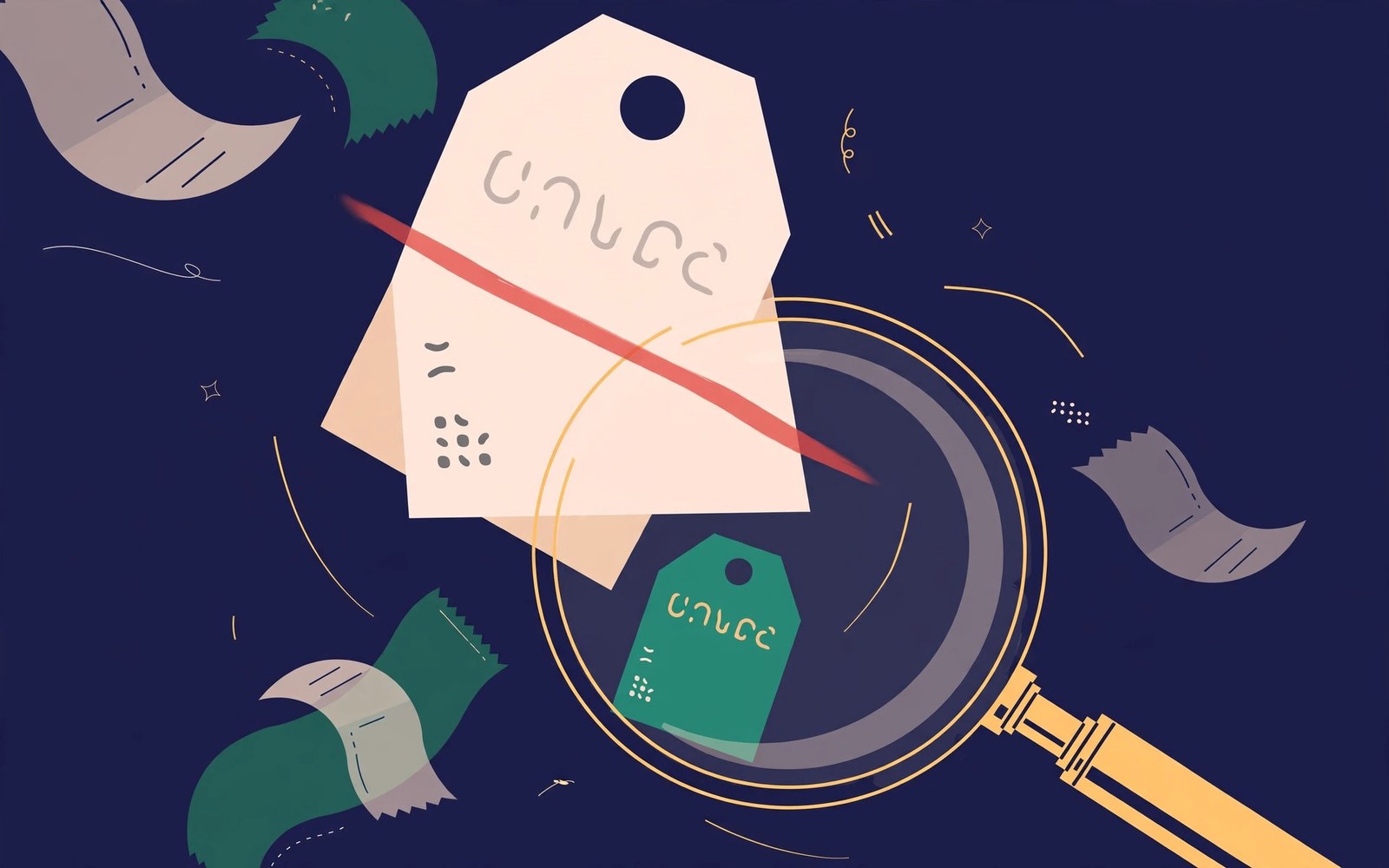
Holiday sale season no longer waits for Black Friday — retailers like Amazon and Walmart now roll out early holiday sales in October. But CNET's latest holiday survey found 43% of US adults are frustrated by fake or misleading discounts and 35% expect inflated baseline prices this season. Here is how to tell a real holiday discount from a fake one in about five minutes.
The 4 tricks behind a "50% off" badge
Most fake discounts are pricing theatre — language engineered to make an ordinary price feel like a bargain.
1. The inflated "was" price
A product is listed at a high "original" price for a short time — sometimes only days — then "reduced" to the price the retailer always intended to charge. As James Bricknell, CNET's managing editor for deals, puts it: retailers inflate the recommended retail price to suggest the product sells for more than it does, "when it may only be 5% or 10% off." If the higher price was never genuinely offered for a meaningful stretch of time, the percentage is fiction.
2. The MSRP nobody pays
"50% off MSRP" sounds impressive until you realize the manufacturer's suggested retail price is a figure no retailer actually charges. When most stores have sold an item well below MSRP for months, comparing against it creates a false impression of savings.
3. The perpetual "limited time" sale
If a product is "on sale" every day of the year, the sale price is the regular price and the crossed-out one is invented. A limited-time offer that never ends is a permanent price wearing a costume.
4. The stacked "up to 70% off" headline
Sellers often combine a modest reduction with cashback, coupons, bank card offers, and exchange discounts, then headline the biggest combined number — sometimes including card offers you do not hold. The banner percentage describes neither the product's price nor the offer you personally qualify for.
A genuine 10% or 20% off is still a real saving. The goal is to avoid paying full price, not to collect the biggest percentage badge. Judge a deal by the money it saves you, not the size of the number on the sign.
What the rules actually say
In the US, the FTC's Guides Against Deceptive Pricing (16 CFR Part 233) are the baseline: a former-price comparison is only legitimate if the product was genuinely offered at that higher price for a "reasonably substantial period of time." A price that existed for a day or two to set up a fake discount does not count, and MSRP comparisons must reflect prices actually charged by principal retailers.
India moved further this year: the Consumer Protection (E-Commerce) (Amendment) Rules, 2026 were notified on September 9, 2026 and take effect on January 1, 2027, making it harder to advertise fake or exaggerated discounts. In the UK, advertising rules likewise require that "was" prices be genuine, recent selling prices. The principle is the same everywhere: the discount must be measured against a real price, not a prop.
When the real discounts actually land
Holiday discounts follow a predictable schedule: online prices typically sit around 14% off in early November, climb to about 21% off just before Thanksgiving, and reach roughly 30% off during Cyber Week. Waiting for Cyber Week is still the strategy most likely to produce the steepest markdowns, at least on paper.
The catch is the baseline: a 30% discount off a padded starting price may save you less than 14% off a fair one. Make your holiday list now, note the current selling price of each item, and compare each one against its own history — not against a badge.
| Signal | Likely real | Likely staged |
|---|---|---|
| The "was" price | Price history shows it held for weeks | It appeared for a day or two before the sale |
| The comparison | Against the retailer's own recent selling price | Against an MSRP nobody charges |
| The percentage | Matches the actual dollar difference | Inflated by stacking offers you may not get |
| The checkout total | Final payable amount is below the 30-day low | Fees, taxes, or shipping erase the headline saving |
The 5-minute deal check
- Check the price history. Use a price-tracking tool to see what the product actually sold for over the last 30 to 90 days. A good rule: the discount should be measured against the lowest price of the previous 30 days.
- Compare the final payable amount. Add taxes, shipping, and fees, then subtract only the offers you actually qualify for. If that number is not below the recent going rate, there is no saving.
- Cross-check other retailers. Genuine sale prices usually converge across platforms; staged ones look suspiciously lonely.
- Screenshot the offer. Save the page showing the discount, the claimed original price, and the final total — your evidence if the price changes at checkout.
- Pay by credit card for big purchases. Federal law gives you 60 days from the statement date to dispute a charge, and card networks like Visa typically allow up to 120 days from the transaction date.
Judge every sale by the price you would actually pay — not the percentage on the banner. If your final total is not below the 30-day low, there is no saving, however dramatic the headline looks.
Not every disappointing price is a marketing trick — some are outright fraud. A US Congress Joint Economic Committee report found Black Friday scam websites surged 89% in a single year, while phishing emails impersonating major retailers rose more than 2,000% during peak holiday shopping. Criminals now build convincing fake storefronts in hours with AI-generated copy. Remember: HTTPS protects data in transit; it does not prove a retailer is trustworthy.
Frequently asked questions
Are early holiday sales in October worth it?
They can be — retailers like Amazon and Walmart run genuine early sales, and even modest 10–20% reductions save real money. But the steepest markdowns historically land around Cyber Week. Buy early if the price beats the recent going rate; wait if the "deal" is mostly theatre.
Is a "was $200, now $99" claim legally required to be true?
In substance, yes: under the FTC's pricing guides, the "was" price must have been genuinely offered for a reasonably substantial period. In practice, enforcement is spotty — which is why checking the price history yourself beats trusting the badge.
Key takeaways
- Inflated "was" prices and MSRP comparisons are the most common ways discounts get staged — a percentage badge means nothing without a genuine reference price.
- Under FTC pricing guidance, a former price is only legitimate if the product was actually offered at that price for a reasonably substantial period.
- Discounts deepen through the season — roughly 14% off in early November to 30% off at Cyber Week — but judge each deal against the item's own 30-day price history.
- Run the 5-minute check: price history, final payable amount, cross-retailer comparison, screenshots, and pay by credit card.
- Watch for outright fraud too: scam holiday sites surged 89% year-over-year.
Your next step
Do not start shopping — start watching. Make your holiday gift list today and note the current selling price of each item.
Sources
More in Smart Spending

Smart Spending · Guide
Moneymaxxing: Squeeze More Value From Every Dollar
Moneymaxxing — squeezing more value from every dollar — is 2026’s viral money trend. Here’s how to do it right, with the three moves that matter most.
19 October 2026 · 6 min read

Smart Spending · Guide
The No-Spend Challenge: A Practical Guide to Saving More
The no-spend challenge is blowing up online — nearly half of Gen Z are trying it. A realistic guide to cutting discretionary spending without burning out.
18 October 2026 · 6 min read

Smart Spending · Habit
Compare the unit price, not the sticker price
The small number on the shelf label often tells the real story.
26 September 2026 · 6 min read