Guide
Open a Lifetime ISA With £1 Before It Disappears
The Lifetime ISA closes to new savers in April 2029. Opening one with £1 now locks in the 25% bonus and starts the 12-month clock.
In this article
- What a Lifetime ISA does
- What the Budget changed
- Why £1 is enough
- The maths: what the bonus is actually worth
- Lifetime ISA vs the new First Time Buyer ISA
- Where to open one: the best cash rates now
- Who should open one now — and who should not
- How to open one in ten minutes
- Frequently asked questions
- Key takeaways
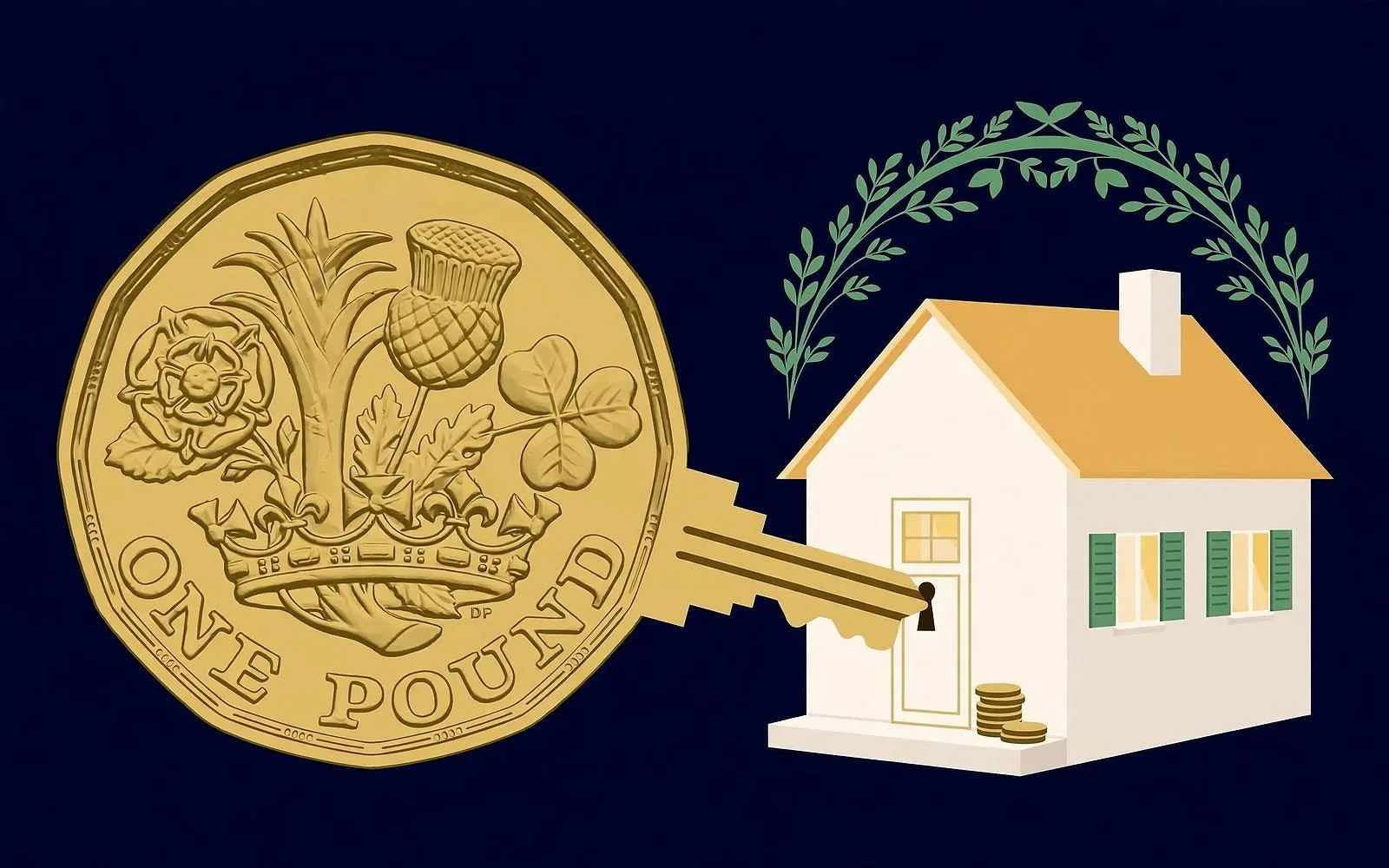
Martin Lewis has a £1 job for anyone aged 18 to 39: open a Lifetime ISA. Not £4,000. Not a deposit-sized sum. One pound. In a reel from The Martin Lewis Podcast posted on 6 November, watched and shared thousands of times, he urged viewers to open the account now — even if they already own a home, even if buying is years away — because the Lifetime ISA is being switched off. From 6 April 2029, no new Lifetime ISAs can be opened. A new First Time Buyer ISA takes its place, and it does not do everything the old account does.
The £1 is not about the money. It is about the clock. A Lifetime ISA must have been open for 12 months before you can use it penalty-free to buy a first home, and you can only open one before your 40th birthday. Put £1 in today and the clock starts; wait until you are ready to buy and you may find the door closed, or the wait a year longer than you planned.
This is a guide to what the account actually does, what the Budget changed, who should act now — and who should not.
What a Lifetime ISA does
A Lifetime ISA (LISA) is a tax-free savings account for people aged 18 to 39. You can pay in up to £4,000 a year, and the government adds a 25% bonus on top — up to £1,000 a year, paid monthly. The money comes out penalty-free in three situations: buying your first home, turning 60, or terminal illness. Everything else costs a 25% charge on the whole amount withdrawn.
| Rule | What it means |
|---|---|
| Who can open one | Aged 18 to 39 (until the day before your 40th birthday) |
| How much you can pay in | Up to £4,000 a year, until the day before your 50th birthday |
| Government bonus | 25% of what you pay in, up to £1,000 a year |
| Part of your ISA allowance | Yes — the £4,000 counts inside the overall £20,000 ISA allowance |
| Penalty-free uses | First home costing £450,000 or less; age 60 or over; terminal illness |
| First-home conditions | Account open at least 12 months; buying with a mortgage; use a conveyancer or solicitor |
| Other withdrawals | 25% charge on the whole amount — you get back less than you paid in |
The £450,000 price cap has not changed since the account launched in 2017. That matters more every year: the average new-build home in London is around £501,000, and in the South East around £487,000, so in much of the South the cap is already below the price of an ordinary first home.
What the Budget changed
The Autumn Budget on 28 October 2026 made two changes that matter here, and both are confirmed by HM Treasury, Barclays, Which? and J.P. Morgan's Budget summaries.
First, the Lifetime ISA is being replaced. From 6 April 2029, a new First Time Buyer ISA replaces it for new savers. The new account keeps the £4,000 annual limit and the 25% bonus, and keeps the £450,000 price cap — but the bonus is paid when you withdraw for a qualifying first home, capped at £20,000 in total, there is no upper age limit, and there is no retirement option at all. It is a home-buying account only. Existing Lifetime ISA holders can keep contributing to and using their accounts under the current rules indefinitely, even after 2029.
Second, the penalty for buying above the cap got smaller. From 29 October 2026, if you use a Lifetime ISA to buy a first home costing more than £450,000, the withdrawal charge falls from 25% to 20% — the difference between losing some of your own money and losing only the bonus, as the maths below shows. The Budget also kept the overall cash ISA allowance at £20,000, reversing a planned cut to £12,000 for under-65s.
The Lifetime ISA is the only account that pays you a 25% bonus for saving towards a first home — and, from April 2029, the only way to get one is to already have one.
Why £1 is enough
Opening an account with £1 earns you 25p of bonus. Nobody is getting rich on that. The £1 does three things that matter far more than the 25p.
It starts the 12-month clock. You cannot use a Lifetime ISA penalty-free for a first home until at least 12 months have passed since your first payment into it. Open one in November 2026 and you can use it from November 2027. Open one the month you find a house and you wait a year — or pay the charge.
It beats the age cutoff. You must open a Lifetime ISA before you turn 40. A 39-year-old who opens one now can keep paying in until the day before turning 50 — eleven tax years, up to £44,000 of their own money plus £11,000 of bonus. A 39-year-old who waits until 40 cannot open one at all. The new First Time Buyer ISA has no upper age limit, but it also has no retirement option and a £20,000 lifetime bonus cap.
It preserves the retirement option. This is the part of Martin Lewis's advice that surprises people: he recommends opening one even if you already own a home. A homeowner cannot use a Lifetime ISA for a first-home purchase, but the retirement use — penalty-free withdrawals from age 60, with the 25% bonus on everything paid in — stays available. The replacement account has no equivalent.
Opening with £1 costs nothing and commits you to nothing. You can add money later, or never add another penny. The account simply sits there, clock ticking, keeping your options open.
The maths: what the bonus is actually worth
The bonus is 25% of what you pay in, so £4,000 a year becomes £5,000 a year before interest. The numbers below are our own calculations, assuming monthly deposits, the bonus paid monthly, and a steady 4% interest rate — they illustrate the shape, not a promise.
| Maxed out for… | Your money | Government bonus | Pot at 4% interest |
|---|---|---|---|
| 5 years | £20,000 | £5,000 | £27,625 |
| 10 years | £40,000 | £10,000 | £61,354 |
| 25 years (age 25 to 50) | £100,000 | £25,000 | £214,221 |
| 11 years (age 39 to 50) | £44,000 | £11,000 | £68,946 |
Two things stand out. First, the bonus is the easy money: £25,000 of free money over 25 years of maxing the account, before a penny of interest. Second, time does the heavy lifting — the 25-year pot is nearly double the money paid in, because the bonus and the interest compound together.
| Withdrawal | Charge | You get back | What you lose |
|---|---|---|---|
| Any other reason (25% charge) | £1,250 | £3,750 | The £1,000 bonus plus £250 (6.25%) of your own money |
| First home over £450,000 (20% charge, from 29 Oct 2026) | £1,000 | £4,000 | Only the £1,000 bonus — your own money comes back whole |
| Qualifying first home, age 60, terminal illness | £0 | £5,000 | Nothing |
The 25% charge is the trap that has caught people before: HM Treasury's consultation response noted that more Lifetime ISA holders had lost money to the withdrawal charge than had used the account to buy a home, and 8% of accounts in 2024–25 paid the charge. The Budget's cut to 20% for above-cap purchases softens the worst case — but only for first-home purchases, not for raiding the account for anything else.
Lifetime ISA vs the new First Time Buyer ISA
| Lifetime ISA (until Apr 2029) | First Time Buyer ISA (from 6 Apr 2029) | |
|---|---|---|
| Annual limit | £4,000 | £4,000 |
| Government bonus | 25%, up to £1,000 a year, paid monthly | 25%, paid on withdrawal for a qualifying home |
| Total bonus cap | None — £1,000 a year for as long as you pay in | £20,000 over the account's life |
| Age to open | 18 to 39 | 18 or over, no upper limit |
| Retirement use | Yes — penalty-free from age 60 | No |
| Withdrawal charge | 25% (20% for a first home over £450,000) | None — withdraw any time, you just get no bonus |
| Property cap | £450,000 | £450,000 |
| Must use a mortgage | Yes | Yes |
The new account is simpler and kinder if you change your mind — no charge, ever. The old account is more generous if you are young and patient: no lifetime bonus cap, and a retirement option the replacement drops entirely. That is the whole case for the £1 move: you are keeping the option to have the better one.
Where to open one: the best cash rates now
Cash Lifetime ISAs pay variable interest on top of the bonus, and the headline rates mostly include a first-year bonus rate that falls away after 12 months. Rates below are from MoneyfactsCompare's comparison on 6 November 2026, cross-checked against MoneySavingExpert and Which? — check the live rate before you apply, because these move.
| Provider | Rate (AER variable) | Minimum deposit | How to open |
|---|---|---|---|
| Moneybox | 5.00% (includes a 2.18% bonus for 12 months) | £1 | App |
| Plum | 4.30% (includes a 1.18% bonus for 12 months) | 1p | App |
| Tembo | 4.25% (includes a 0.70% bonus for 12 months) | £1 | App |
| Paragon Bank | 3.51% (no bonus rate) | £1 | Online |
Two cautions. First, the top rate is not the rate you keep: Moneybox's 5.00% drops to around 2.80% once the first-year bonus ends, and some providers only offer their top rate if you have never had one of their Lifetime ISAs before. Second, cash is not the only flavour. A stocks and shares Lifetime ISA invests your money instead of paying interest, which can beat cash over a decade but can also fall; if your purchase is more than five years away, compare both, and if it is under five years, cash is the calmer choice. Cash Lifetime ISAs have FSCS protection up to £120,000 per person, per authorised firm.
Who should open one now — and who should not
Open one now if you are 18 to 39 and any of these apply. You might buy a first home one day, even if that day is years away. You are 39 and the cutoff is approaching. You already own a home but want the retirement option with its 25% bonus. You are saving for a deposit and your target home is under £450,000. In all four cases the £1 move costs nothing and the option is worth having.
Think twice if any of these apply. You are over 40 — you cannot open one, and the First Time Buyer ISA from 2029 will be your route. You might need the money soon for something other than a home or retirement — the 25% charge means you get back less than you paid in, and a cash ISA or easy-access savings account is the right home for that money. You are buying in London or the South East above £450,000 — the account can still work, and the charge is now 20% rather than 25%, but run the numbers first.
Never put money in a Lifetime ISA that you might need before 60 for anything except a first home. The 25% charge applies to the whole withdrawal — bonus and your own money together — so an early exit leaves you poorer than if you had never opened the account.
How to open one in ten minutes
- Pick cash or stocks and shares. Buying within five years, or you want certainty? Cash. Longer horizon and comfortable with investment risk? Compare stocks and shares providers too.
- Pick a provider from the rate table above, and check the live rate and the bonus-rate terms — especially what the rate falls to after year one, and whether transfers in are accepted.
- Open the account and pay in £1. Most cash providers accept £1; Plum accepts 1p. This starts your 12-month clock and locks in the account before April 2029.
- Decide your real contribution later. You have until 5 April to use this tax year's £4,000 allowance, and the bonus is paid monthly on what you pay in.
- Put a reminder in for your 12-month date. If a house purchase comes up, the account is ready. If it does not, the account waits — and the retirement option waits with it.
One more timing point: if you are 39, do not leave this to your birthday. You must open the account before you turn 40, and provider checks can take a day or two. The £1 move takes ten minutes; the regret of missing the cutoff lasts decades.
Frequently asked questions
Can I open a Lifetime ISA if I already own a home?
Yes. You can open one at 18 to 39 regardless of whether you own property. You cannot use it for a first-home purchase if you already own a home, but you can use it for retirement — penalty-free withdrawals from age 60, with the 25% bonus on everything you paid in. That retirement option is exactly what the replacement First Time Buyer ISA does not offer.
Does the £1 really count?
Yes — the 12-month rule counts from your first payment into the account, however small. Most cash Lifetime ISA providers accept a £1 opening deposit, and Plum accepts 1p. The government bonus is 25% of what you pay in, so £1 earns 25p. The point is the clock, not the 25p.
What happens to my Lifetime ISA after April 2029?
Nothing, if you already have one. Existing holders can keep contributing and using their accounts under the current rules indefinitely — the 25% bonus, the £4,000 annual limit, the retirement option at 60. Providers simply stop opening new Lifetime ISAs from 6 April 2029.
What if the home I buy costs more than £450,000?
Since 29 October 2026, the withdrawal charge for a first home over £450,000 is 20% instead of 25%. On a £5,000 pot (£4,000 of your money plus £1,000 bonus) that is a £1,000 charge — you get your £4,000 back and lose only the bonus. Before the change, the 25% charge would have taken £1,250, including £250 of your own money.
Is a Lifetime ISA better than a pension for retirement saving?
Usually not, for most people. Pensions come with tax relief and employer contributions, which generally beat the 25% bonus — Martin Lewis himself prefers pensions for retirement saving, especially for basic-rate taxpayers and the self-employed. The Lifetime ISA's retirement option is a useful extra, not a replacement for a pension. Its real strength is the first-home bonus.
A note for US readers: there is no Lifetime ISA equivalent in the US. The closest parallel is an IRA first-home withdrawal of up to $10,000, with no 25% government bonus attached.
Key takeaways
- The Lifetime ISA closes to new savers on 6 April 2029, replaced by a First Time Buyer ISA with no retirement option and a £20,000 lifetime bonus cap.
- Opening one with £1 now starts the 12-month clock for penalty-free first-home use and locks in the account before the deadline.
- You must be 18 to 39 to open one; you can pay in up to £4,000 a year until 50, with a 25% government bonus worth up to £1,000 a year.
- From 29 October 2026, buying a first home over the £450,000 cap costs a 20% charge instead of 25% — you lose only the bonus, not your own money.
- Never put money in that you might need early for anything else: the 25% charge takes the bonus plus 6.25% of your own savings.
- Existing holders keep the current rules indefinitely — the deadline only bites if you have not opened one yet.
The Lifetime ISA has always been a strange account — generous in a way no other savings product is, and punishing in a way no other savings product is. The Budget did not change that character. It put a closing date on it. If you are 18 to 39, ten minutes and £1 today buys you the option that disappears in April 2029. Open the account, start the clock, and decide later.
Sources
- Martin Lewis LISA reel (The Martin Lewis Podcast)
- Which? — Autumn Budget 2026: boost for first-time buyers
- Barclays — Autumn Budget 2026: Key takeaways
- Earlybird — The new First Time Buyer ISA
- MoneySavingExpert — Lifetime ISA guide
- MoneyfactsCompare — Best Lifetime ISA rates
- J.P. Morgan — Autumn Budget 2026
- Money to the Masses — Best Cash Lifetime ISAs
- Up the Gains — How a Lifetime ISA Works
- Legal & General — Autumn Budget 2026
The MoneyHabit editorial desk researches, writes and reviews every article against our editorial policy.
The Sunday Habit
One useful money idea, every week.
A short, practical email every Sunday — no spam, no selling your address, unsubscribe anytime.
Advertisement
More in Budgeting & Saving

Budgeting & Saving · Guide
Build a Holiday Budget in 20 Minutes (Before December)
15% of Americans have no holiday budget and 1 in 4 are still paying off last year's gifts. Here's how to build a realistic holiday budget in 20 minutes.
1 November 2026 · 7 min read

Budgeting & Saving · Guide
Budgeting the Median Salary, Line by Line
We budgeted the median American salary — $87,460 a year — line by line, using Census and BLS numbers. Here's where every dollar actually goes.
19 November 2026 · 10 min read

Budgeting & Saving · Explainer
Her 1K Stack: The $7-a-Day Pink Bucket Challenge
Jasmine Danyell's viral pink bucket turns $7 a day into a $1,000 cushion. We checked the maths, the catches, and the smarter way to run it.
18 November 2026 · 10 min read