Guide
I Can't Afford My Credit Card Payments: What to Do First
A viral Ramsey clip says what millions are thinking. Here is the exact order: call your issuer, ask for a hardship plan, and get free help.

In this article
"I can't afford my credit card payments." That is the exact sentence opening one of the most-watched money videos on TikTok this week — a Dave Ramsey clip that pulled 56 times his usual views, according to trend tracker TryVolume's measurement of 12 November 2026. It hit a nerve because millions of people are in the same position.
The numbers explain why. Americans now owe about $1.29 trillion on credit cards, a record in the Federal Reserve Bank of New York's household debt report of 10 November 2026, and the average card rate sits around 21.19%. At that rate, debt grows fast — and silence makes it grow faster. The good news: the first moves are free, they work, and the regulator itself tells you to make them.
First, stop the damage today
Before you negotiate anything, do three things this week. Stop charging the card. Take it out of your wallet and delete it from saved checkouts. Pay something, even if it is not the minimum. The Consumer Financial Protection Bureau (CFPB) recommends working out exactly how much you can afford and telling your issuer that number, rather than paying nothing at all. Know your number. Add up income and essential expenses and find the gap. Every option below starts from that one honest figure.
On a $5,000 balance at 21.19% APR, interest alone is about $88 in the first month. A fixed $100 monthly payment would take roughly 10 years to clear it and cost about $7,250 in interest. The same $100 a month at a 9% hardship rate clears it in about 5 years for roughly $1,290 of interest. That gap is why the phone call below matters. (Own calculations.)
Step 1: Call your card company before you miss a payment
This is the single most important step, and the one most people skip. The CFPB's advice is blunt: "If you can't pay your credit card bill, it's important to act right away. Contact your credit card company immediately." You do not need to be behind on your payments to ask for help.
Call the number on the back of the card and ask for the hardship or payment assistance department. Go in with the four things the CFPB tells you to bring: why you can't pay the minimum, how much you can afford, when you could restart normal payments, and what new amount you are requesting and for how long. A vague plea becomes a proposal the moment it carries a specific amount and a specific date.
What you are asking for is a hardship program — also called a loss mitigation program, forbearance or a workout arrangement. No federal programme forces issuers to grant relief, so what you are offered depends on the issuer, your account history and your circumstances. Most programmes last three to twelve months and are designed for temporary setbacks — job loss, a medical emergency, a natural disaster. Get any agreement in writing before you rely on it.
| What a hardship program can change | What it buys you | Ask before you accept |
|---|---|---|
| Interest rate cut or suspended | More of each payment reaches the principal | The exact rate, how long it lasts, and what it reverts to |
| Lower fixed monthly payment | A number you can actually pay | Whether it counts as on time or partial |
| Late and over-limit fees waived | The balance stops growing from penalties | Whether the waiver covers the whole programme |
| Payment pause (forbearance) | Breathing room, usually 1–3 months | Whether interest still accrues — it usually does |
| Due date moved | Payments line up with payday | Whether the change is permanent |
A payment pause is not an interest pause. In most hardship arrangements interest keeps accruing, so a three-month break on a large balance can add hundreds in interest. Ask directly: "Does interest keep accruing, and what is the balance when the programme ends?"
There is a cost side too. Some issuers close or freeze the card, or cut the credit limit, while you are enrolled — American Express, which publishes the most detailed relief terms of the major brands, states plainly that enrolment in a payment plan affects your ability to use your card.
What happens if you do nothing
Doing nothing is also a choice, and it has a timetable.
| When | What happens |
|---|---|
| Day 1 after the due date | A late fee can be charged — up to $30 for a first missed payment, $41 for a repeat within six billing cycles |
| 30 days late | The issuer can report the missed payment to the credit bureaus; it can stay on your report for up to seven years |
| 60–90 days late | Penalty interest rates can apply, the account may be frozen, and collection calls usually begin |
| About 180 days late | The issuer typically charges off the debt and may sell it to a collector |
| After charge-off | Collection activity, possible lawsuit, and a much harder recovery for your credit file |
The 30-day line matters most. A payment reported late at 30 days is the first real damage to your credit file — and the line a hardship call made before the due date can keep you from crossing.
Step 2: Get free help from a nonprofit credit counsellor
If the issuer's offer still does not fit your budget, the next step costs nothing: a nonprofit credit counselling agency. The CFPB recommends agencies accredited by the National Foundation for Credit Counseling (NFCC) or the Financial Counseling Association of America (FCAA) — the NFCC at (800) 388-2227, the FCAA at (800) 450-1794.
The first session is usually free and lasts 30 to 60 minutes. A certified counsellor reviews your income, debts and expenses, then gives you a written budget and a plan. One possible outcome is a debt management plan (DMP): you make one monthly payment to the agency, it distributes the money to your creditors, and the creditors may agree to lower interest — typically to around 0–9% — and waive fees. You repay the full principal over three to five years.
A DMP typically costs a one-time setup fee of around $25–$75 and a monthly fee of $25–$50, with fee waivers available if you cannot afford them. The trade-offs are real: your enrolled cards are closed to new purchases, and roughly half of people who enrol do not finish. In 2025 only 26% of people who worked with NFCC-certified counsellors enrolled in a DMP at all — counselling without a plan is the more common outcome, and it is still worth doing.
Credit counselling is the assessment. A debt management plan is one possible outcome of it. You can take the free advice and walk away with a budget — nobody can force you into a plan.
Step 3: The options to avoid
When you are struggling, the worst offers arrive first.
Debt settlement companies. These for-profit firms typically ask you to stop paying your cards and stop talking to your issuers while they "negotiate" — then charge fees of 20 to 25% or more of the settled debt. The CFPB warns that stopping payments can damage your credit and can result in a lawsuit. Settlement is not guaranteed: a creditor can simply refuse.
Payday loans and cash advances. Borrowing at triple-digit interest to pay a 21% card is not a rescue, it is a transfer to a worse lender. A cash advance on the same card is nearly as bad: a higher rate, a fee of 3–5%, and interest from day one with no grace period.
A balance transfer you cannot actually repay. Moving a balance to a 0% card can help — but only if you can clear it before the promotional rate ends, usually 12–21 months, and only if the transfer fee (typically 3–5%) is less than the interest you would save. If the balance is still there when the rate jumps to 25% or more, you paid a fee to make the problem bigger.
If you are in the UK: different rules, same first step
The first step is identical — call your lender before you miss a payment — but the safety net looks different. Free, FCA-regulated debt advice is available from StepChange, National Debtline and Citizens Advice, and a debt management plan set up through them is free.
England and Wales also have Breathing Space: a regulated debt adviser can apply on your behalf, and for up to 60 days most creditors must stop adding interest and charges, stop contacting you, and pause enforcement. It is not a payment holiday — you must keep paying rent, council tax and energy. Missed payments fall off your credit file after six years, and priority debts (rent, mortgage, council tax, energy) always come before credit cards.
Frequently asked questions
Will a hardship program hurt my credit score?
It can, but far less than missing payments. Some issuers note the account is in a payment plan, and a closed card can raise your credit utilisation — but a 30-day late mark can stay on your file for up to seven years.
Can I ask for help if I have not missed a payment yet?
Yes — and you should. The CFPB states explicitly that you do not need to be behind on your payments to ask for help. Calling before the due date is the strongest position you can be in.
What if my issuer says no?
Ask what would change the answer, and ask for the decision in writing. Then call a nonprofit credit counsellor: a creditor that refused you directly may accept the same terms through an agency. In the UK, ask a StepChange or National Debtline adviser about Breathing Space.
Should I use savings or retirement money to pay the card?
Keep a small emergency cushion first — even $500–$1,000. Retirement money is the last resort: withdrawing from a 401(k) before age 59½ usually triggers income tax plus a 10% early-withdrawal penalty.
Key takeaways
- "I can't afford my credit card payments" is one of the most-watched money sentiments online this week — and the fix starts with a phone call, not a product.
- Call your issuer before you miss a payment. Bring four things: why you can't pay, what you can pay, when you can restart, and what you are asking for.
- Hardship programmes can cut your rate, waive fees and lower your payment for 3–12 months — but interest usually keeps accruing.
- Nonprofit credit counselling is free. A debt management plan rolls your cards into one payment at a reduced rate for 3–5 years.
- Never stop paying to "negotiate", never borrow from a payday lender to pay a card, and never pay a settlement company 20–25% for a promise no creditor has to keep.
The sentence that went viral this week is not a confession of failure — it is the first line of a plan. The worst outcome is not the debt itself; it is the months of silence that turn a manageable problem into a charge-off. Call the issuer, get the number you can actually pay, and get it in writing. Then call a nonprofit counsellor and check the plan against your whole budget.
Sources
- CFPB — What should I do if I can't pay my credit card bills?
- CFPB — Need help with your credit card debt? Start with your credit card company
- MeetFelix — Creditor Hardship Programs: What They Are and How to Ask
- Debt.org — Debt Management Programs: What You Need to Know
- MoneyLion — How to Enroll in a Debt Management Plan in 5 Steps
- StepChange — What is Breathing Space and How to Apply
- TryVolume — Money TikTok trends this week (November 2026)
The MoneyHabit editorial desk researches, writes and reviews every article against our editorial policy.
The Sunday Habit
One useful money idea, every week.
A short, practical email every Sunday — no spam, no selling your address, unsubscribe anytime.
Advertisement
More in Debt & Credit Education
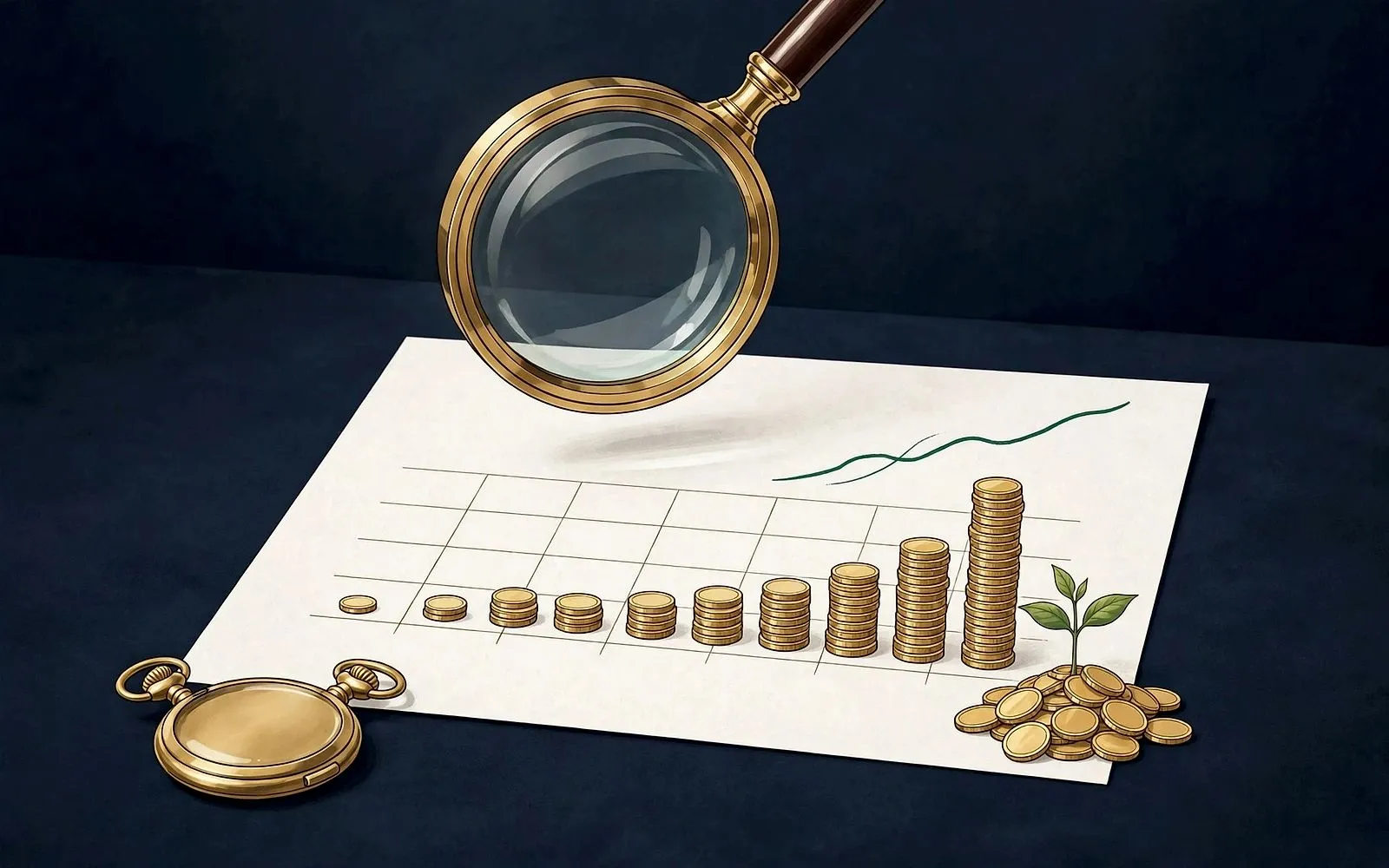
Debt & Credit Education · Guide
How Credit-Card Interest Is Really Calculated
Your card's interest charge comes from a simple formula: average daily balance x daily rate x days. Here is the maths - and why paying early changes everything.
15 November 2026 · 10 min read
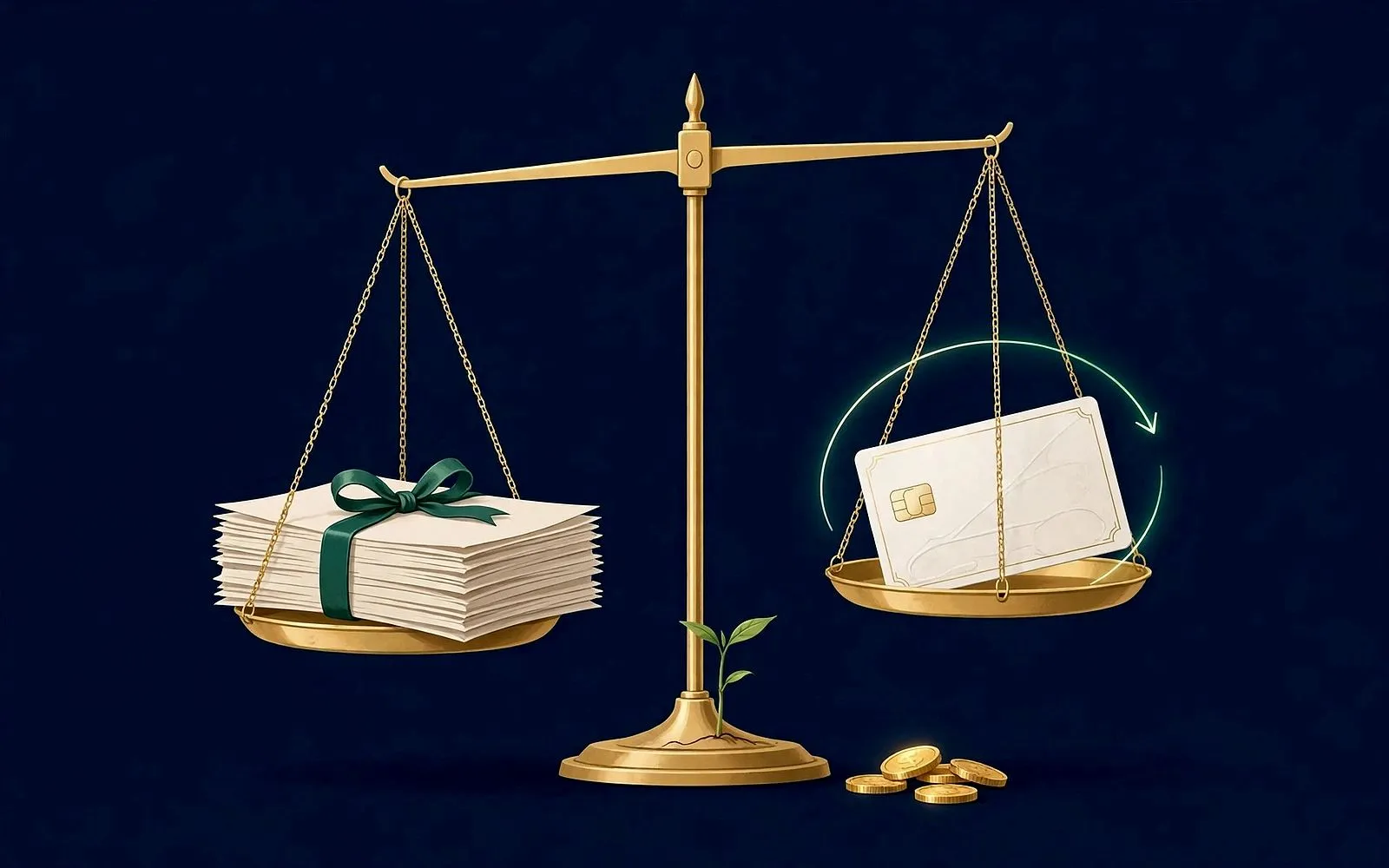
Debt & Credit Education · Guide
Personal Loan vs Credit Card: Which Costs Less?
A $5,000 purchase costs $970 in interest on a personal loan but $2,412 on a credit card at the same payment. Here is how to choose the cheaper way to borrow.
9 November 2026 · 14 min read

Debt & Credit Education · Explainer
The 10% Credit Card Cap: What It Would Save You
A 10% cap on card interest is back in the headlines — but it's still not law. Here's what you'd save, who could lose out, and what to do while you wait.
9 November 2026 · 12 min read