Guide
Cut Your Grocery Bill: 7 Habits That Actually Work
Seven practical habits — from pantry-first shopping to smarter protein swaps — that can trim your grocery bill without trimming your meals.
Why your grocery bill feels so stubborn
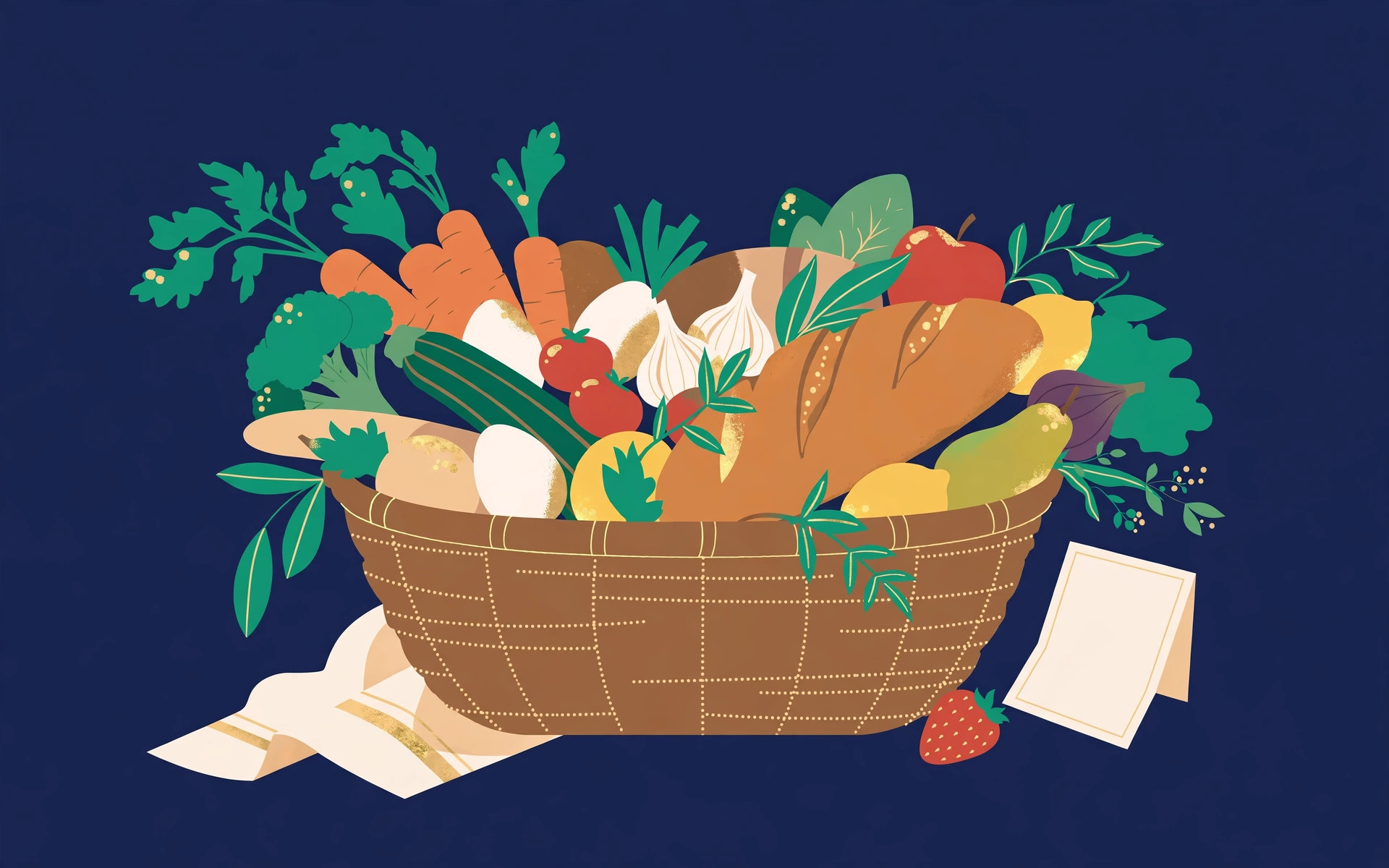
If your grocery bill feels higher than it did a few years ago, you are not imagining it — and you are not alone. This month, a viral shopping carousel claiming a drop from $700 a month to $300 a month on groceries drew thousands of comments from people asking for the creator's planner. The exact numbers belong to one household, and your household will differ, but the habits behind the claim are worth a closer look: they are the same boring, repeatable routines that consistently separate a controlled grocery bill from a chaotic one.
The backdrop helps explain why the bill stings. The US Department of Agriculture's October Food Price Outlook forecasts food-at-home prices rising 2.3% in 2026 — modest by recent standards, but on top of several years of higher prices. The details matter more than the average: beef and veal are forecast up 8.7%, egg prices are forecast to fall 29.3% as production recovers, and pork and poultry are forecast to rise only about 1% each. What you buy matters at least as much as where you shop. The average US household spent about $677 a month on groceries in 2025, according to Motley Fool's analysis — so even a 10% cut is worth roughly $68 a month, or more than $800 a year.
Groceries are one of the few bills you negotiate every single week. Small, repeatable choices beat one heroic couponing weekend.
1. Shop your pantry before you shop the store
Most overspending starts with buying something you already own. Before you write a list, spend five minutes checking the fridge, freezer and cupboards, move anything close to expiry to the front, and build at least two meals around what you find. The viral carousel's first habit was exactly this: an inventory before every shop, so the list only covers genuine gaps. This also kills the duplicate-buy trap — rice, pasta and spices are cheap individually, which is precisely why they pile up unnoticed.
2. Let the sales flyer build the menu
Planning meals first and then shopping for them is the expensive way round. Flip the order: check what is discounted this week, then plan meals around those ingredients. If chicken thighs are on sale, they anchor two or three dinners. If a vegetable is cheap and in season, it becomes the side dish for everything.
Pick one sale item and use it twice. A roast chicken on Sunday becomes chicken sandwiches or soup on Monday — same ingredient, second meal, no extra shopping trip.
3. Swap the protein, not the meal
Protein is usually the most expensive part of the trolley, and it is where the USDA's uneven price picture works in your favour. With beef forecast up 8.7% while pork and poultry rise only about 1%, swapping beef for chicken, pork, eggs or beans on some nights is one of the highest-impact changes you can make — without giving up the meals you like.
| Swap | What changes | What stays the same |
|---|---|---|
| Beef mince for turkey or chicken mince | Lower cost per meal in most shops | The same tacos, pasta sauce or chilli |
| One meat dinner for eggs or beans | A much cheaper main course | A filling, protein-rich plate |
| Fresh fish for tinned fish | Lower price, longer shelf life | Salads, pasta and sandwiches |
| Branded meat for store-brand cuts | Often the same cut, lower price | The recipe itself |
You do not need to become vegetarian to benefit. Two swaps a week is enough to show up on the monthly total.
4. Keep a small, deliberate stockpile
A micro-stockpile is not panic buying. It is keeping a short list of basics — rice, beans, pasta, oats, tinned tomatoes, cooking oil and seasonings — topped up only when they are discounted. When a staple is on offer and stores well, buy a little extra. When it is full price, you already have it at home.
Do not stockpile fresh food. A stockpile only saves money if you actually eat it before it spoils — perishables bought in bulk and thrown away are the most expensive groceries of all.
5. Freeze the sale, not just the leftovers
If meat, peppers, onions or berries are on sale and freeze well, buy extra and freeze them the same day. Label each bag with the contents and date, and keep a list on the freezer door so frozen food does not become forgotten food. Batch cooking works the same way: a doubled recipe frozen in portions is several future dinners you will not need to shop for.
6. Compare the unit price, not the sticker price
The big bag is not always the bargain, and the small pack is not always a rip-off. Shelf labels in most US stores show a price per ounce or per pound, and UK shoppers will find unit pricing on shelf-edge labels too. That single number is the honest comparison between brands, sizes and multipacks. Store brands deserve a fair trial here: for staples like rice, oats, flour and tinned goods, the difference is often packaging, not quality.
7. Make the weekly shop a single, list-only trip
Every extra trip is another chance to buy things you did not plan. One main weekly shop, built around the inventory check and the sales flyer, plus a short list for fresh top-ups, beats four wandering trips. If you shop online, the same rule applies: keep the basket open for a day, remove the impulse items, and only then check out.
What a realistic saving looks like
Ignore any promise of a fixed percentage: your saving depends on household size, location and waste. But the maths is encouraging — for a household spending around the $677 monthly average, a 10% reduction is about $68 a month, from a handful of swaps and one fewer unplanned trip a week, not from eating less. Track your total for four weeks, then track it again: that before-and-after comparison is the only number that matters.
Frequently asked questions
Do I need to coupon to save on groceries?
No. Coupons help some shoppers, but the biggest savings usually come from planning, inventory checks, protein swaps and fewer trips. Coupons are a bonus on top of those habits, not a replacement for them.
Is buying in bulk always cheaper?
Not always. Bulk only saves money if you use everything before it expires and you have room to store it. Check the unit price, and skip bulk deals on anything perishable that your household eats slowly.
Are store brands really as good?
For most staples, yes — and the unit price usually proves it. For a few products you genuinely prefer branded, keep the brand and save elsewhere. Saving does not require liking everything equally.
Key takeaways
- Check what you already own before you shop — duplicates are silent budget leaks.
- Let weekly sales shape the menu, and use one sale ingredient in two meals.
- Swap expensive proteins on some nights; beef is forecast up 8.7% while poultry and pork rise only about 1%.
- Compare unit prices, stockpile only shelf-stable staples, and freeze sale items the same day.
- One planned weekly shop beats several unplanned trips — and track your total for a month to see the real result.
The bottom line
Cutting your grocery bill is not about willpower at the checkout. It is about five minutes of inventory before you shop, a menu built around what is on sale, and a few deliberate swaps that nobody at the table will notice. Start this week with just the pantry check and one protein swap. If those two habits stick, the rest get much easier — and next month's total will tell you whether they are working.
Sources
More in Smart Spending
Smart Spending · Guide
Gas Prices Spiked Again: Cut Your Fuel Bill
Brent crude hit $116.72 and US petrol averaged $4.29 a gallon. You can't control the pump price — but driving style, tyres and trips can cut your fuel bill.
25 October 2026 · 6 min read

Smart Spending · Guide
Why $300K Earners Live Paycheck to Paycheck
Goldman Sachs found 36% of workers earning over $300K say they live paycheck to paycheck. Here's how lifestyle inflation eats raises — and how to fight it.
24 October 2026 · 6 min read

Smart Spending · Guide
Loud Budgeting: Say It Out Loud, Keep More Money
Loud budgeting means saying your spending limits out loud instead of making excuses. Here's how the viral trend works, why it works, and scripts you can use.
23 October 2026 · 6 min read