Guide
Budget 2026 Energy Help: £100, Lower Bills, One Catch
The Budget's £100 winter energy payment, scrapped gas standing charges and extended electricity VAT cut could ease bills — but the standing-charge change helps light users most. Here's what to do.
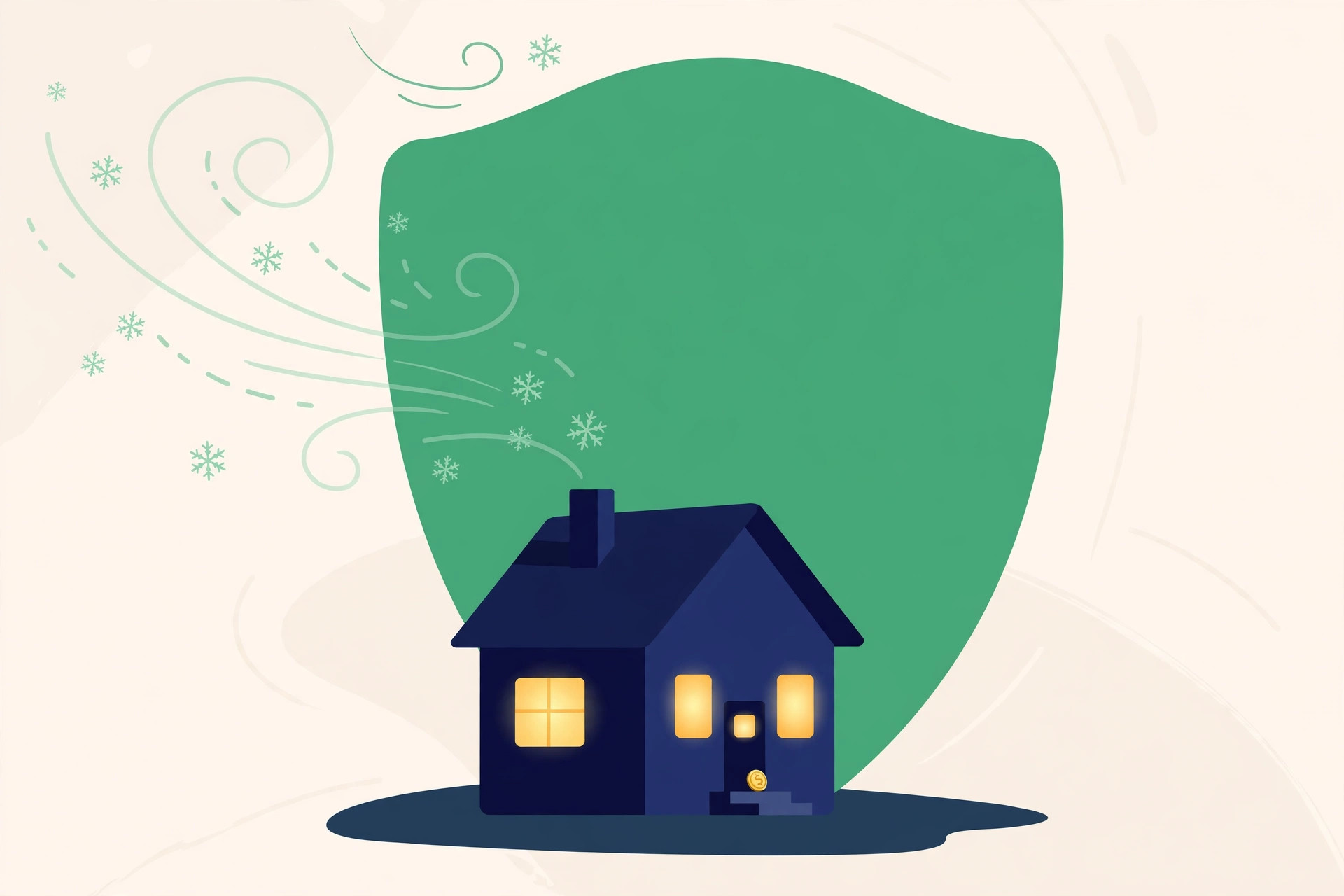
Budget day brought real help with energy bills — and one change that does not help everyone equally. Chancellor John Healey used his first Budget on 28 October 2026 to announce a £100 winter energy payment for around 20 million households, the scrapping of gas standing charges, and an extension of the zero VAT rate on electricity until July 2027. If you pay energy bills in the UK, here is what each measure is worth, who gains most, and what to do now.
The package is worth understanding in full. The £100 is a one-off. The standing-charge change reshuffles how gas costs are recovered rather than deleting them. And the VAT extension keeps an existing saving going for four more months. Used well, they could take a meaningful chunk off winter bills — but only if you do not fall for the scams that follow announcements like this.
The three energy measures at a glance
| Measure | Who gets it | What it is worth | When |
|---|---|---|---|
| £100 winter energy payment | Households in council tax bands A to D (about 20 million) | £100, paid into your bank account | This winter |
| Gas standing charges scrapped | Households with a gas supply (about 23 million) | About £45 a year on average for the 60% of households who save | From next year |
| 0% VAT on electricity extended | Every household | Keeps 5% VAT off electricity bills; worth about £50 off the annual price cap | Until July 2027 |
The £2.6 billion scheme is funded in part by a time-limited 3% rise in the bank surcharge, with funding also going to the devolved governments.
The £100 winter energy payment
The headline measure is the simplest. Around 20 million households in council tax bands A to D will receive a £100 payment to help with energy costs this winter, paid directly into their bank accounts rather than as a discount on a bill. Because it does not depend on your energy supplier, switching supplier does not affect it.
Two things are still unclear: the government has not yet said exactly when the payment will arrive or whether households need to do anything to receive it. That gap is exactly where scammers operate, so treat this as a rule:
Never give bank details to someone who contacts you about "claiming" the £100. A genuine government payment paid into your bank account does not need you to hand over account details to a caller, texter or emailer. If you are asked, it is a scam — report it and delete it.
One more point on timing: the £100 is a one-off winter payment, not a permanent reduction. It sits alongside the £150 Warm Home Discount, which is paid off the electricity bills of eligible households on means-tested benefits. If you are on a low income, check whether you qualify for that too — the two are separate schemes, and one does not cancel the other.
Gas standing charges: scrapped, but not free
Standing charges are the fixed daily fee you pay just for being connected, whether you use any gas or not. The average gas standing charge is currently about 29.7p a day — roughly £108 a year before you burn a single unit. From next year, that charge goes from household gas bills, with similar reforms planned for electricity.
Here is the catch the headlines skip. The costs that standing charges cover do not disappear; they are expected to be recovered through the unit price of gas instead. That is why the Treasury's own estimate is that only about 60% of households save, by around £45 a year on average — while heavier users may pay more overall, because they buy more units at the higher unit price.
Scrapping the standing charge rewards using less. It is genuinely good news for small households, second homes, and anyone who barely uses gas — and a reason for heavy users to check their usage, not just celebrate.
So who wins? Low gas users, households that are away for long stretches, and homes that have cut gas use with insulation or efficient heating. Who should check the maths? Large households, homes heated mainly by gas, and anyone with high winter usage. When the new unit rates are published, compare your total bill — standing charge plus units — against last winter, not just the unit rate on its own.
Electricity VAT: the saving that keeps going
The government had already cut VAT on household electricity bills to zero, and that cut had been due to expire. The Budget extends it until July 2027, keeping 5% VAT off electricity for four more months and taking about £50 off the annual price cap. It is not new money, but it prevents a rise that would otherwise have landed in spring — exactly when many households are still paying off winter bills.
Two smaller Budget energy items are worth noting. The 5p-a-litre fuel duty cut is extended to July 2027, a small help for drivers. And a planned levy to fund hydrogen projects has been scrapped in favour of direct government funding, removing a planned cost from gas bills — though the size of that saving for an individual household has not been quantified.
What to do now: a five-step checklist
- Check your council tax band. Bands A to D are the qualifying bands for the £100 payment in England, with devolved funding for Scotland, Wales and Northern Ireland. Your band is on your council tax bill or your local council's website.
- Do nothing that a scammer asks you to do. Do not click a link, call a number or share bank details to "claim" the payment. Wait for official detail on timing and process.
- Check Warm Home Discount eligibility. If you receive means-tested benefits, ask your supplier whether the £150 discount applies to you. It is separate from the £100.
- Read your next bill properly. Note your standing charge and unit rate now, so that when gas standing charges go, you can tell whether your total bill actually fell.
- Plan for January. The energy price cap rose 4% to £1,723 on 1 October 2026, and Ofgem confirms the January cap by 25 November. One reported forecast puts the typical annual bill at around £2,000 from January 2027. A one-off £100 helps, but it does not replace a winter budget.
Best use of the £100: if you can, put it straight toward your energy account or a winter-bills pot rather than general spending. A one-off payment only helps with bills if it actually reaches the bill.
What this does not fix
It is worth being clear-eyed. None of these measures lowers the wholesale price of energy, and none is permanent except in the sense that the standing-charge reform changes how bills are structured. If energy prices rise further — and the Budget came against a backdrop of higher-for-longer prices — bills can still go up even with every measure in place. The Office for Budget Responsibility has forecast UK consumer price growth of 3.1% in 2026 and 3.4% in 2027, which is a reminder that household budgets stay under pressure beyond this winter.
The households who gain most are the ones who bank the £100, check Warm Home Discount eligibility, and use the standing-charge change as a prompt to cut waste — draught-proofing, heating rooms you use rather than the whole house. Those habits stack with the Budget help rather than replacing it.
A note for readers outside the UK: these are UK measures, tied to UK council tax bands and the UK price cap. If you are in the US or elsewhere, the equivalent step is to check your state or country's energy assistance programme and your supplier's hardship support — the principle is the same, even though the schemes are different.
Frequently asked questions
Do I need to apply for the £100 energy payment?
Not on what has been announced so far. The Chancellor said it will be paid directly into eligible households' bank accounts, and the government has not yet published a claim process. Be suspicious of anyone telling you otherwise.
Will my gas bill definitely fall when standing charges go?
Not necessarily. About 60% of households are expected to save around £45 a year on average, but the cost moves into the unit price, so heavy gas users could pay more. Compare your total bill before and after.
Does the £100 replace the Warm Home Discount?
No. They are separate. The Warm Home Discount is £150 off electricity bills for eligible households on means-tested benefits; the £100 is a separate one-off winter payment for bands A to D.
When does the electricity VAT cut end?
It has been extended until July 2027. After that, unless it is extended again, 5% VAT would return to electricity bills.
I am in Scotland, Wales or Northern Ireland — do I get the £100?
Funding has been allocated to the devolved governments, but the exact payment arrangements for households outside England have not yet been set out. Watch for announcements from your devolved government.
Key takeaways
- £100 goes to about 20 million households in council tax bands A to D this winter, paid into bank accounts.
- Gas standing charges are scrapped from next year — but the cost shifts to unit prices, so low users gain most and heavy users should check their total bill.
- Zero VAT on electricity is extended to July 2027, worth about £50 off the annual price cap.
- No legitimate claim process asks for your bank details. Anyone who does is running a scam.
- Bank the £100 toward bills, check Warm Home Discount eligibility, and plan for a January price-cap announcement that could still push bills up.
The Budget's energy package is best read as breathing space, not a solution — the Chancellor's own framing. Take the £100 when it comes, use the standing-charge change to rethink how much gas you actually use, and keep the winter budget you would have needed without it. That way, if January brings a higher cap, you are ready rather than caught out.
Sources
- Firstpost — UK Budget 2026: 20 million households to get £100 energy payment
- MoneyWellness — Budget 2026: What it means for you
- Cool Power Co — Autumn Budget 2026: £100 Energy Payment, Gas Standing Charges Scrapped
- Hentons — Autumn Budget 2026: Key Announcements
- GOV.UK — Budget 2026 Overview of tax legislation and rates
More in Smart Spending

Smart Spending · Guide
The Affordability Squeeze: 7 Cuts That Actually Work
J.D. Power found 77% of US consumers changed spending in September. Here are their seven most common cuts — used without skipping meals or joy.
27 October 2026 · 8 min read
Smart Spending · Guide
Cut Your Grocery Bill: 7 Habits That Actually Work
Seven practical habits — from pantry-first shopping to smarter protein swaps — that can trim your grocery bill without trimming your meals.
26 October 2026 · 6 min read
Smart Spending · Guide
Gas Prices Spiked Again: Cut Your Fuel Bill
Brent crude hit $116.72 and US petrol averaged $4.29 a gallon. You can't control the pump price — but driving style, tyres and trips can cut your fuel bill.
25 October 2026 · 6 min read